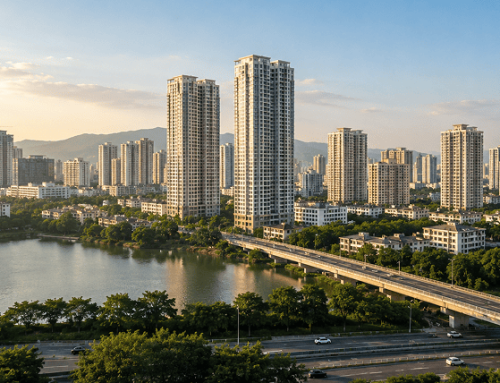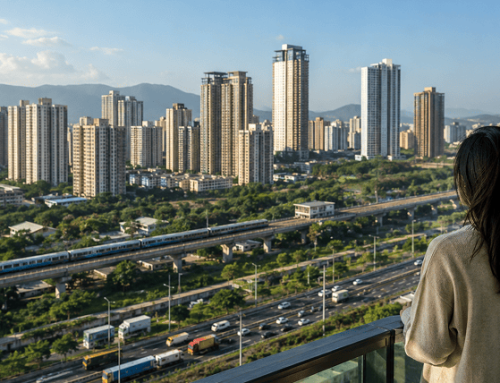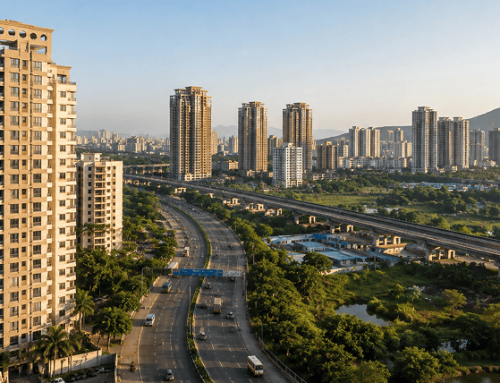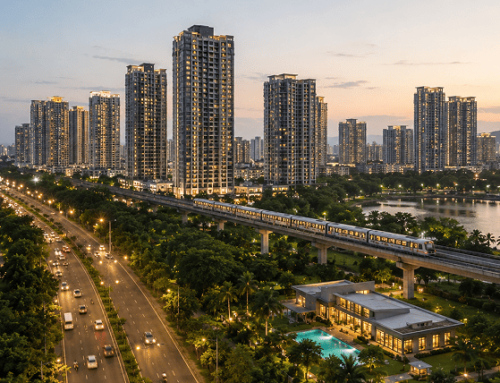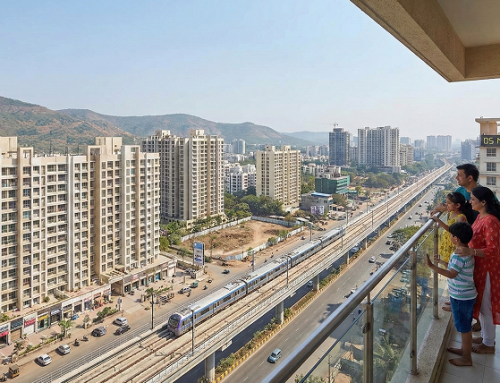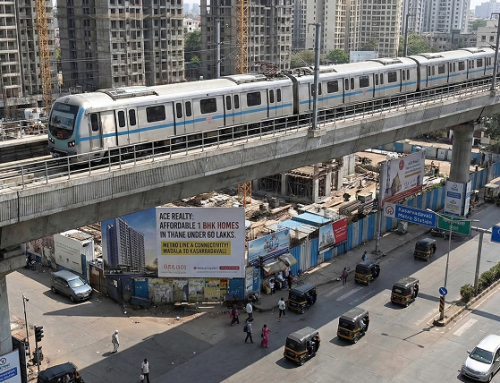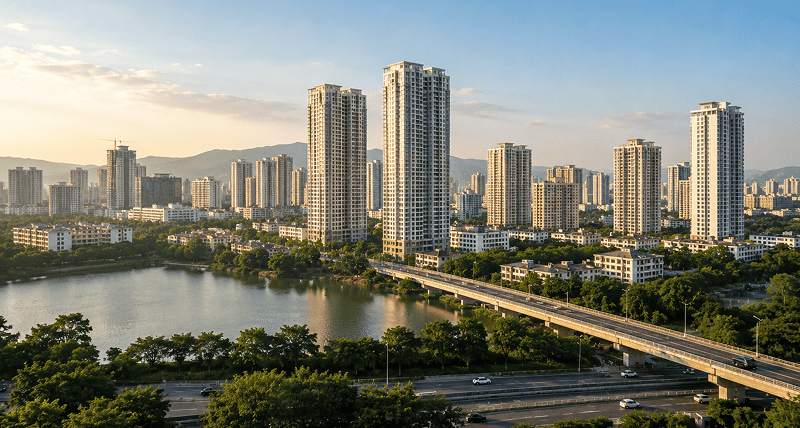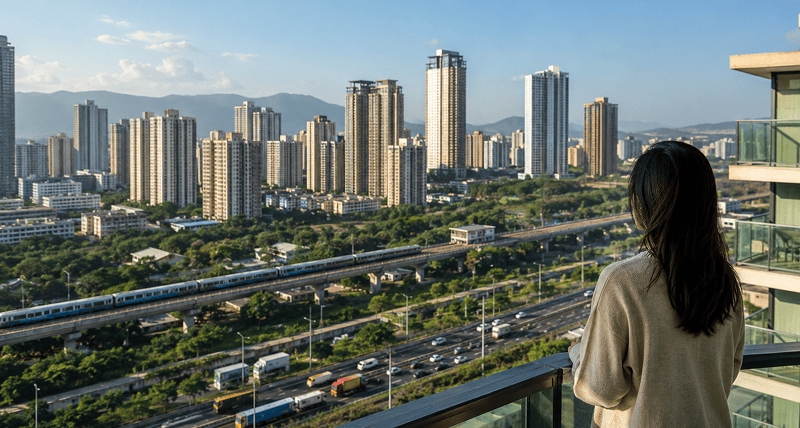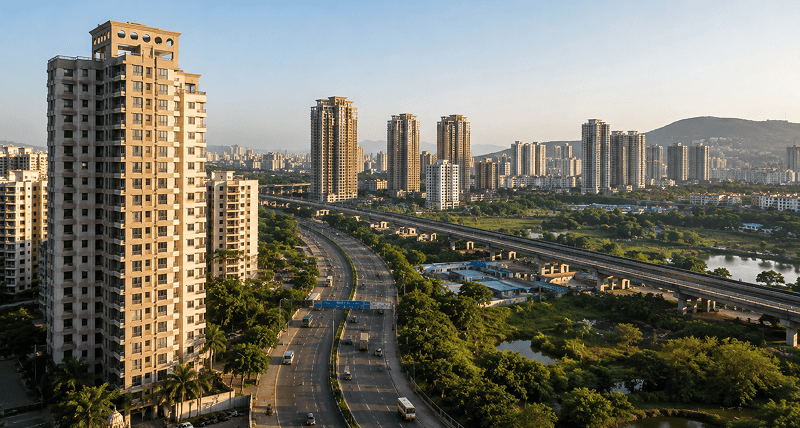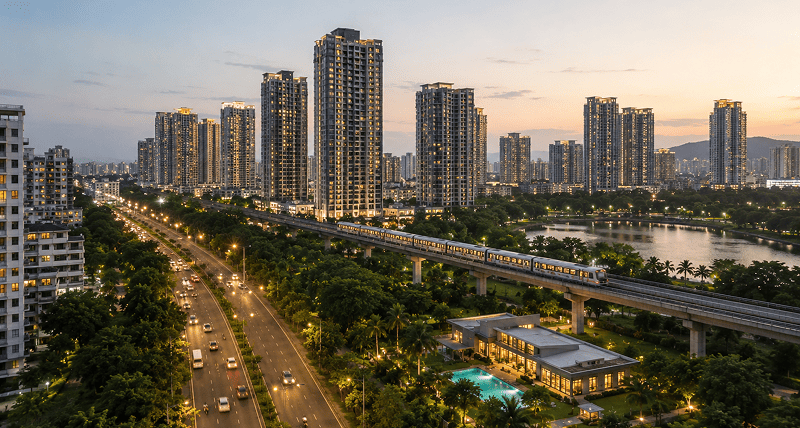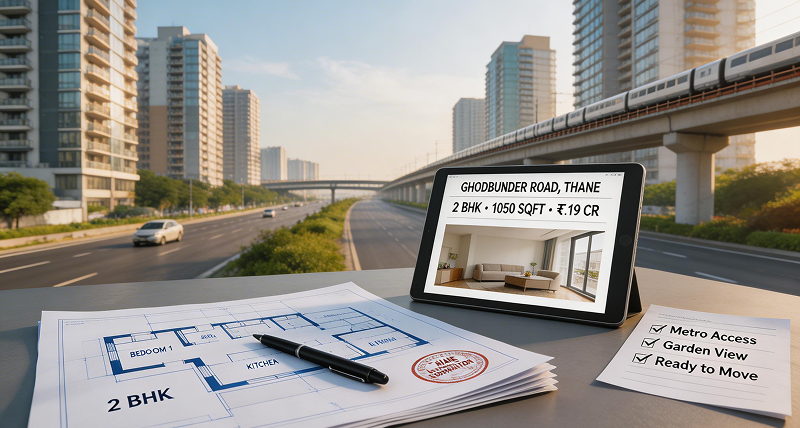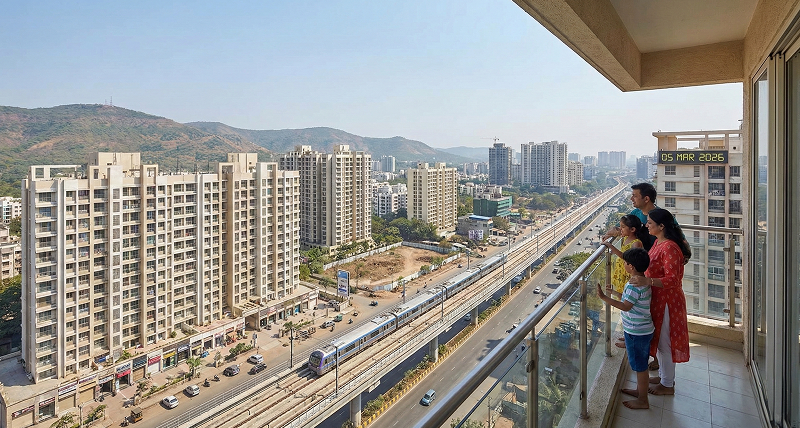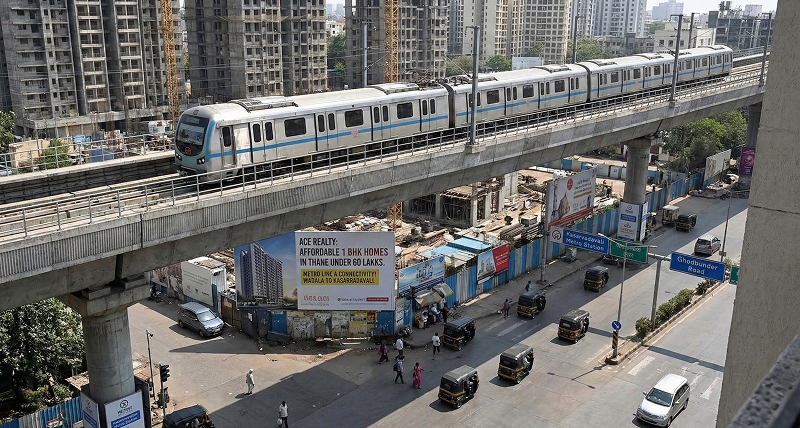
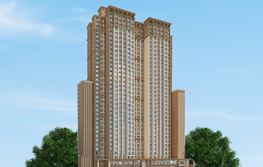
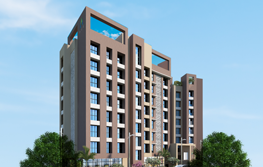
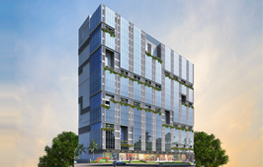
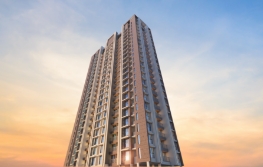
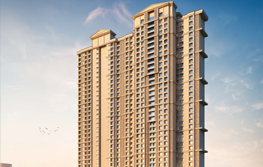
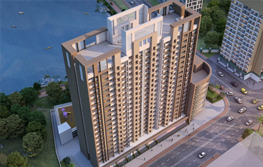




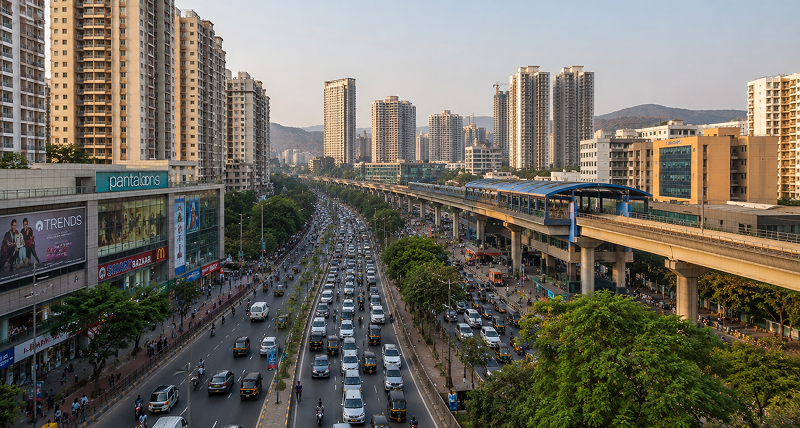
When buying a home – location is listed as a prime factor for many reasons. Often, best locations are also high in density. This is because most development occurs here. Schools, offices, shopping centres, healthcare facilities and public transport are mostly easily accessible.
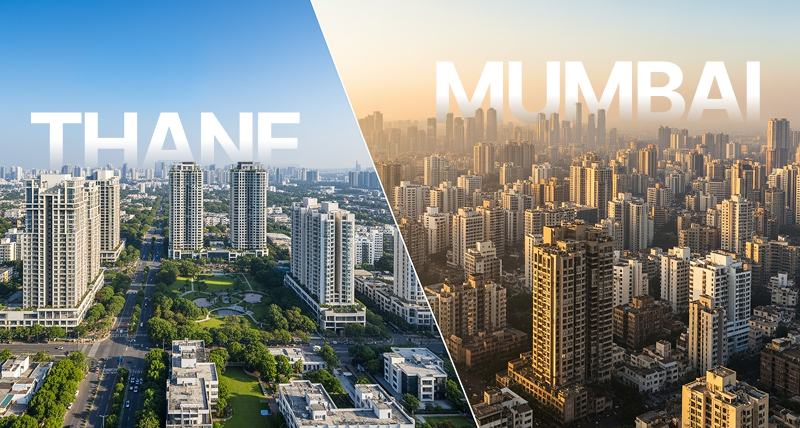
However, in busy areas the pace is faster, and lifestyle can be very different from quieter suburban areas. If you are looking to buy residential apartments in Thane, understanding the pros and cons will help you make a more informed decision.
Convenience and Modern Living
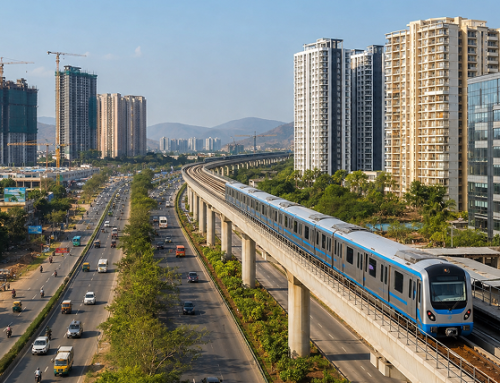
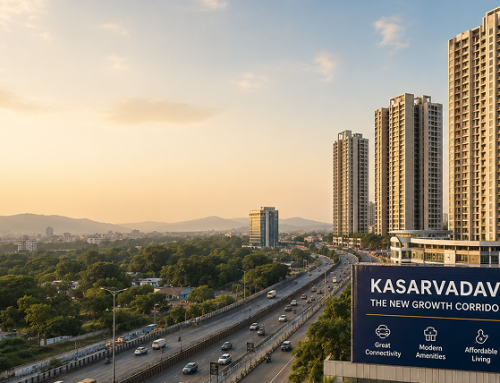
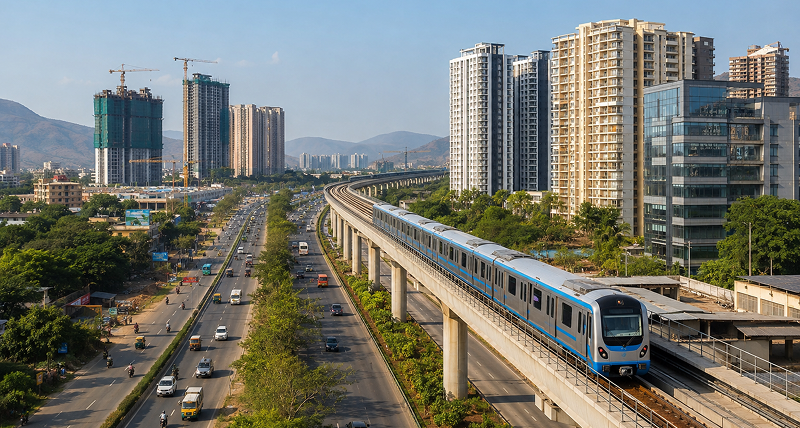
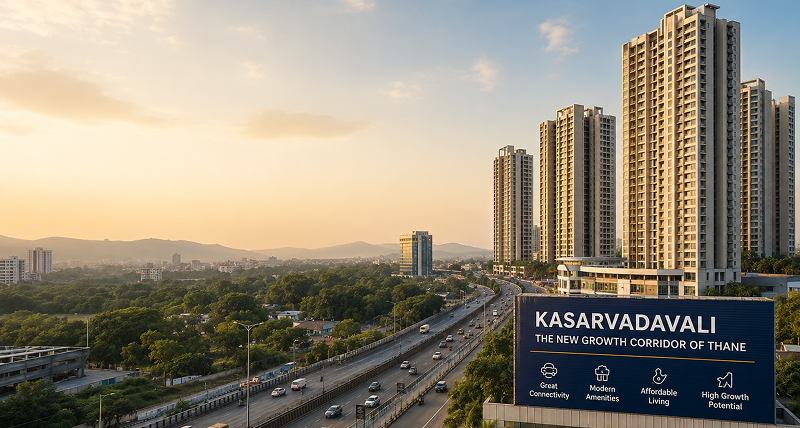
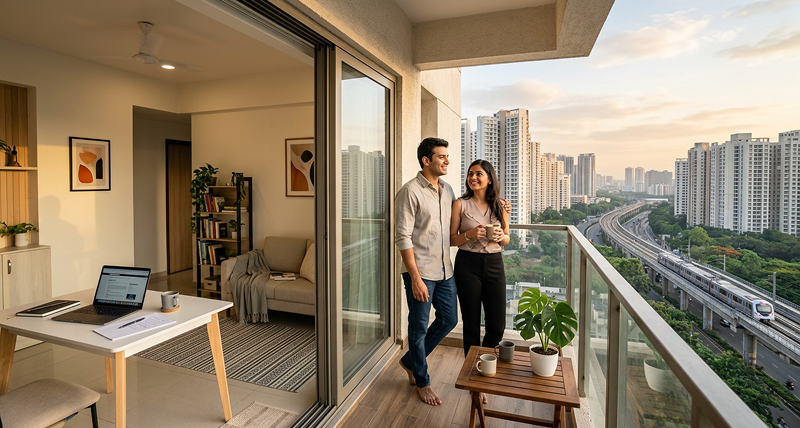
One of the biggest advantages of high-density areas is accessibility. Well-developed neighbourhoods have better roads and public transport ,and essential services. Whether it is dropping children to school, reaching the office or picking up groceries after work, everyday errands become easier.
This is one of the reasons many buyers looking for flats in Thane West prefer developed locations.
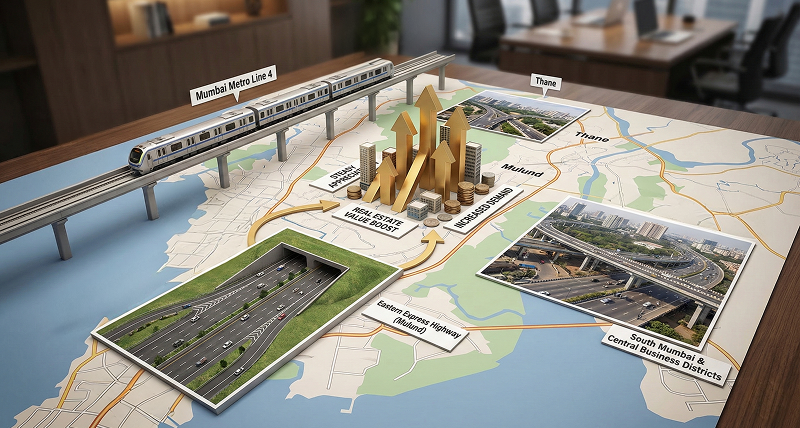
Better Infrastructure, Better Property Growth
High-density areas tend to receive greater investment in infrastructure over time. This makes daily life more comfortable for residents.
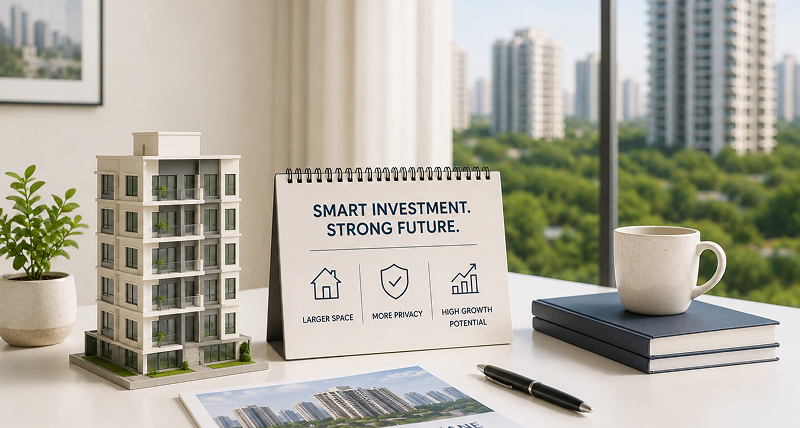
For investors, this means better long-term appreciation and more rental prospects. Note that location still matters which means not every busy neighbourhood offers the same growth potential.
High Community Interaction
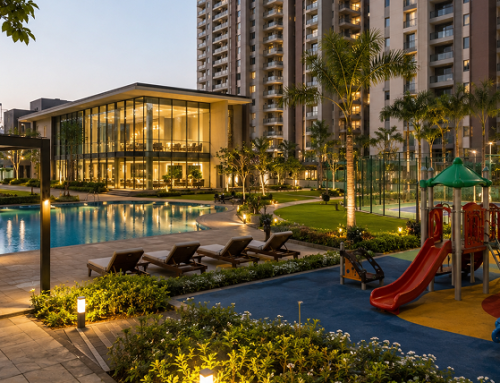
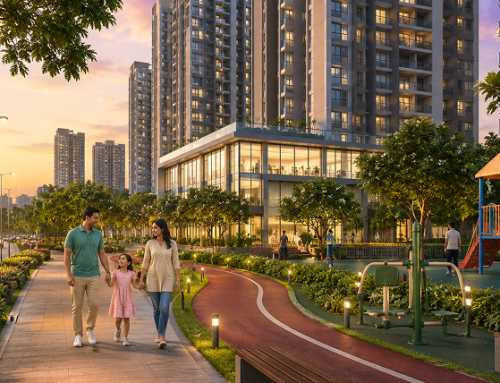
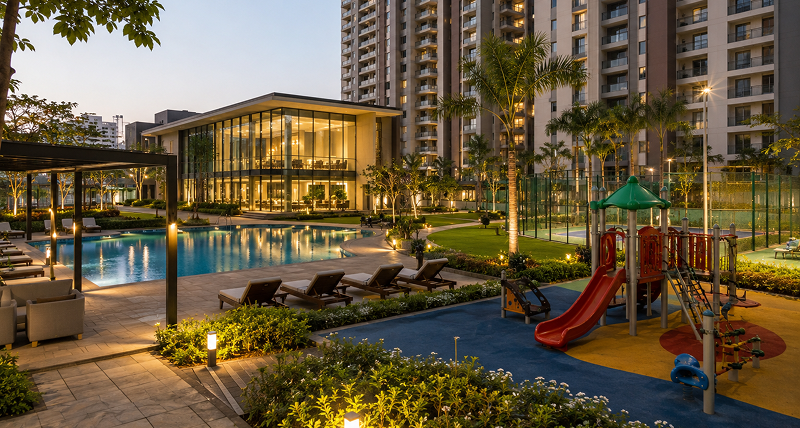
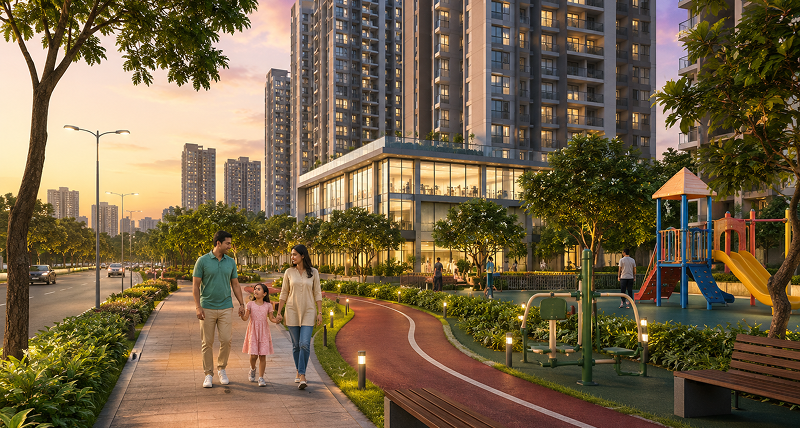
High-density residential apartments in Thane make it easier for you to socialise. In apartments by established realtors, Ace Realty, dedicated community spaces and kid areas allow for easy interaction within the society gates.
More People and Traffic
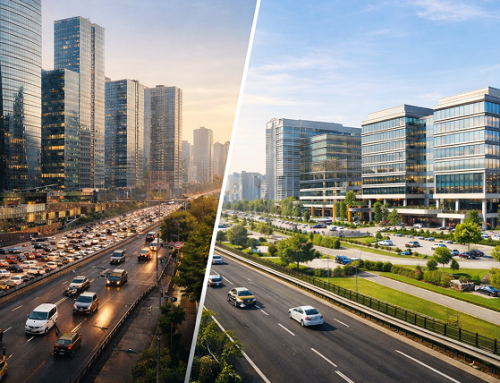
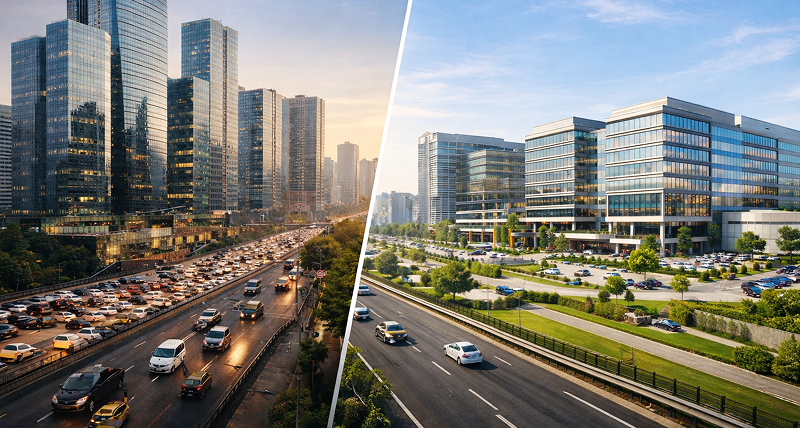
When there are more people living in a aneighbourhood, there are more people driving on the roads, especially during rush hours. If you like peace and open surroundings, the constant hustle and bustle of people and vehicles may be too much. This can be decided by visiting the area at different times of the day before making a purchase decision.
Quality and Density
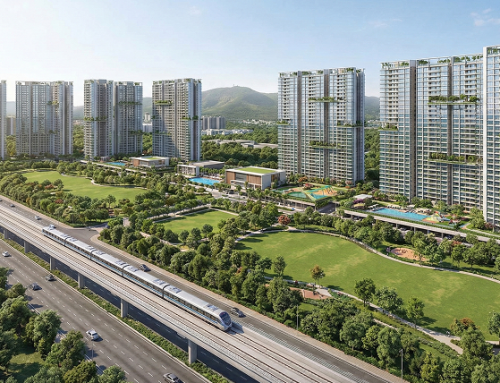
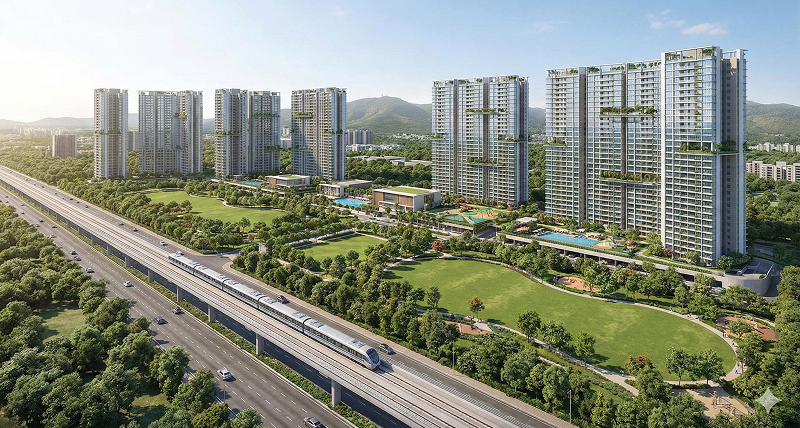
The quality of planning makes the difference between which high-density areas are best. Wide internal roads, efficient parking management, green spaces and good maintenance can significantly improve day-to-day living.
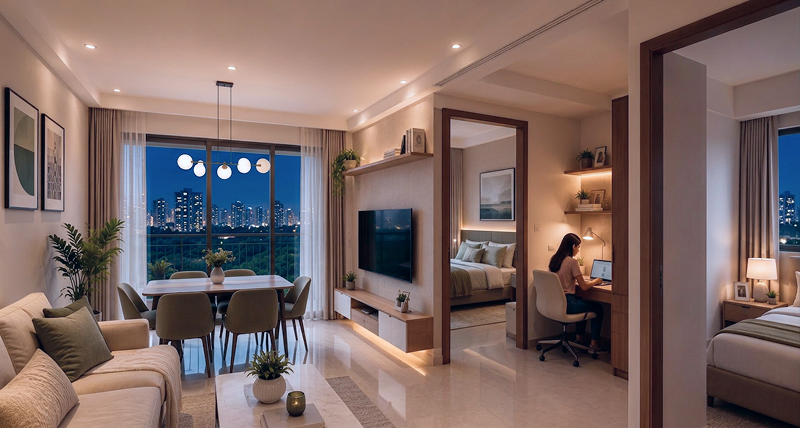
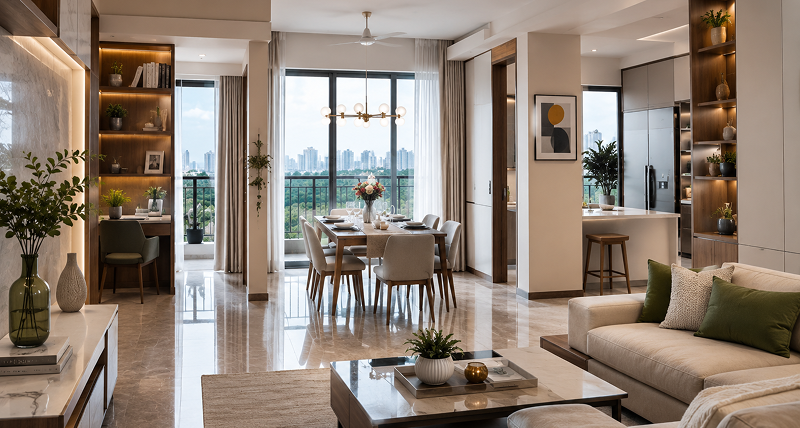
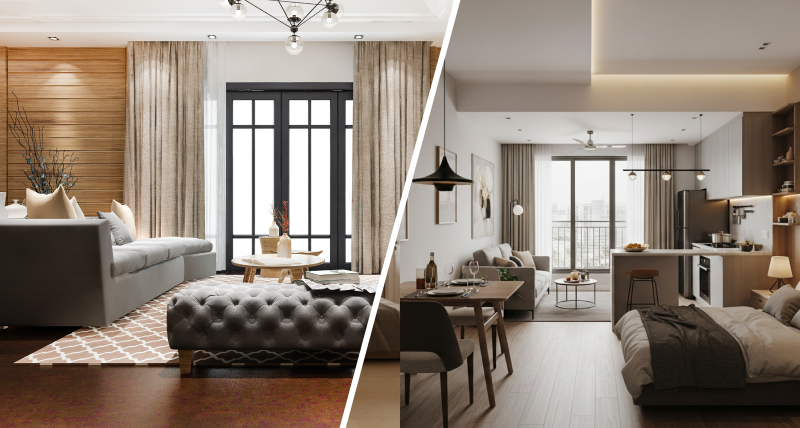
Many premium flats in Thane West are designed to allow residents to enjoy convenience and social spaces without feeling crowded.
Conclusion
Living in a high-density area comes with its own set of advantages such as good connectivity, convenience and long-term growth potential. At the same time, factors such as traffic, privacy and everyday noise also come with it.
If you are looking at flats in Thane West, focus on design, infrastructure and liveability rather than simply the number of homes within a development.
FAQs
1. What does living in a high-density residential area mean?
It means living in a densely populated area with more homes, residents and shared amenities, as well as better infrastructure and connectivity.
2. What are the biggest advantages of living in a high-density neighbourhood?
The biggest benefits include easier access to schools, workplaces, healthcare, shopping centres and public transport.
3. Are high-density residential areas suitable for families?
Yes. Many modern developments offer family-friendly amenities, green spaces and community facilities that make them well-suited for households of all sizes.
4. What challenges should buyers expect in high-density locations?
Traffic, limited parking in some areas, higher noise levels and reduced privacy are some of the factors buyers may have to deal with.
5. How does connectivity improve in densely populated areas?
High-density neighbourhoods often benefit from better road networks, public transport and proximity to commercial hubs, helping residents save time on daily travel.
6. Are Flats In Thane West a good option for people seeking better connectivity?
Yes, flats in Thane West are popular among homebuyers because they offer easy access to business districts, transport links and essential social infrastructure.
7. Do high-density areas offer better access to schools, hospitals and daily essentials?
In many cases, yes. Well-developed residential areas are typically surrounded by educational institutions, healthcare facilities, supermarkets and other everyday conveniences.
8. How does traffic and congestion affect daily life in busy residential zones?
Peak-hour traffic can increase travel time, but choosing a well-planned neighbourhood with good road connectivity can help minimise the impact.
9. What lifestyle benefits come with living in a well-developed urban neighbourhood?
Residents often enjoy greater convenience, better recreational facilities, stronger social infrastructure and easier access to entertainment and dining options.
10. Are Residential Apartments In Thane a practical choice for working professionals?
Yes. They offer a balanced combination of connectivity, modern amenities and proximity to commercial hubs, making them a practical choice for working professionals.